
On this page
Every operator on the internet tells you "April to September is good". That is true and useless. What you actually need is a month-by-month view of sea state, water temperature, visibility, crowding and price, so you can weigh a rough sea against a cheap flight. That table is below.
Labuan Bajo month by month
| Month | Sea state | Rain | Water temp (north / central) | Visibility | Manta | Crowds | Price band |
|---|---|---|---|---|---|---|---|
| January | Roughest | Heavy monsoon | 27–29 °C | Reduced | Peak | Low | Lowest |
| February | Roughest | Heavy monsoon | 27–29 °C | Reduced | Peak | Low | Lowest |
| March | Rough, easing late | Wet, easing | 27–29 °C | Improving | Peak | Low | Low |
| April | Calm | Drying out | 27–29 °C | 15–30 m | Good | Building | Shoulder |
| May | Calmest | Dry | 26–28 °C | 15–30 m | Good | Moderate | Shoulder |
| June | Calmest | Dry | 26–28 °C | 15–30 m | Good | Rising | Shoulder to high |
| July | Windy in open straits | Dry | 26–28 °C | Excellent | Good | Highest | Peak |
| August | Windy in open straits | Dry | 26–28 °C | Excellent | Good | Highest | Peak |
| September | Calm | Dry | 26–28 °C | 15–30 m | Good | Easing | High to shoulder |
| October | Calmest | Dry | 26–28 °C | 15–30 m | Good | Moderate | Shoulder |
| November | Calm | First rains | 27–29 °C | 15–30 m | Rising | Low | Shoulder |
| December | Deteriorating | Monsoon arrives | 27–29 °C | Reduced | Peak | Christmas spike | Low, except holidays |
Upwelling from the Indian Ocean drops water temperature there to 21–25 °C at its peak between June and September, with a sharp thermocline and visibility of 10–20 m. If your itinerary includes Manta Alley or the southern sites, bring a 5 mm wetsuit even in the dry season — a 3 mm is not enough.
The months trips get cancelled
We would rather say this than sell you a January charter that does not sail. December through March is the northwest monsoon. Seas in the exposed stretches build, some vessels come out of the water for annual maintenance, and departures get postponed or rerouted at short notice. Operators who tell you the sea is fine in February are selling, not advising.
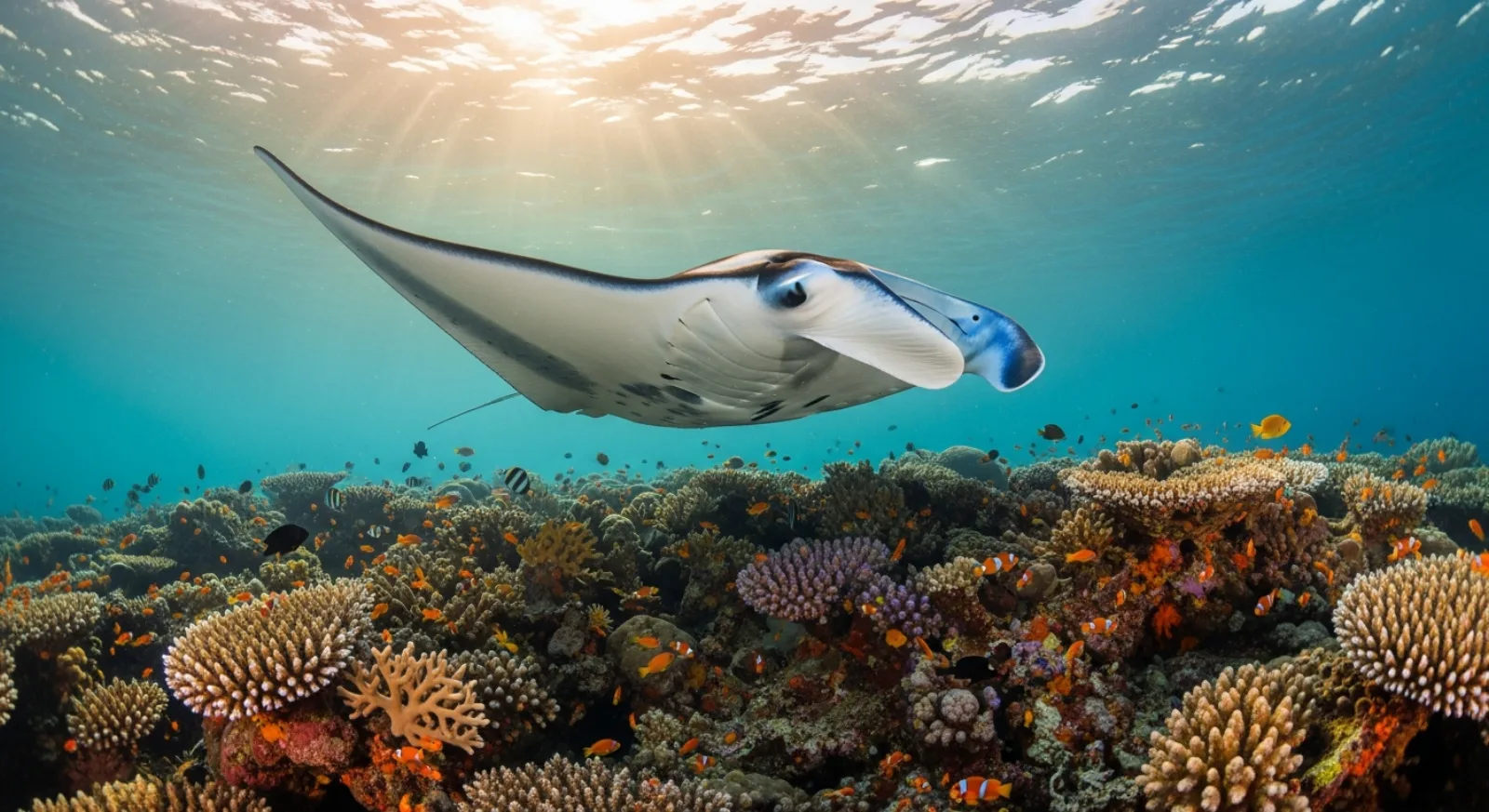
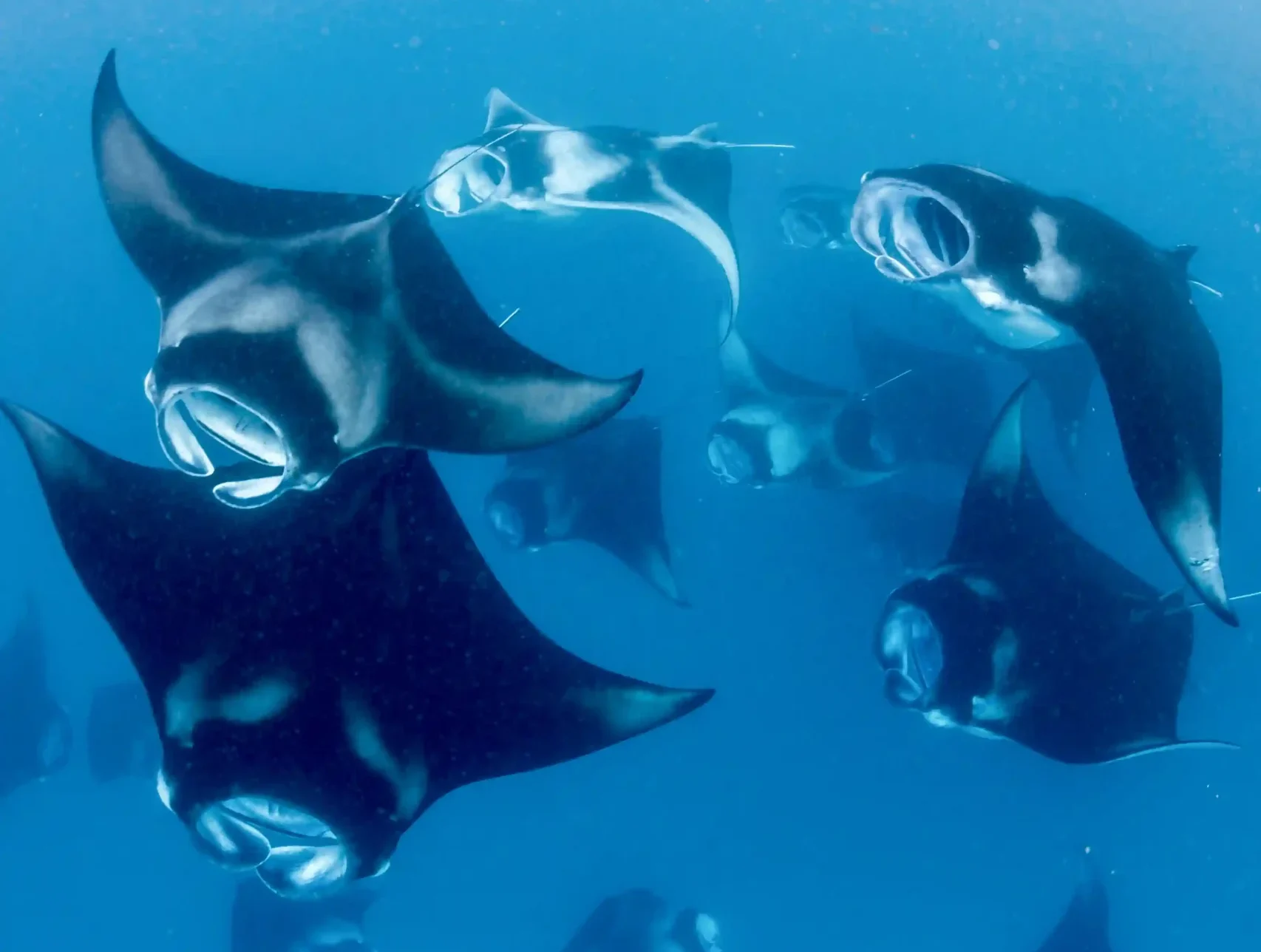
That said, January to March is genuinely the best manta window. Plankton-rich water pulls reef mantas into Karang Makassar and Manta Alley in numbers, with reports of 20 to 50-plus animals on good days. If mantas are the reason you are coming and you have flexible dates, the wet season is not a compromise — it is the point. Book with a cancellation policy you have actually read.
Choosing your month by what you want
| If your priority is… | Go in | Why |
|---|---|---|
| Calmest sailing and comfort | May, June, October | Flattest water of the year, dry, prices below the July–August peak |
| Diving visibility | July, August | Best clarity, though wind makes the open crossings bumpy and every site is busy |
| Manta encounters | December – March | Peak plankton, peak aggregation; accept rough seas and cancellation risk |
| Lowest price | January, February | Genuine low season; weather is the trade-off |
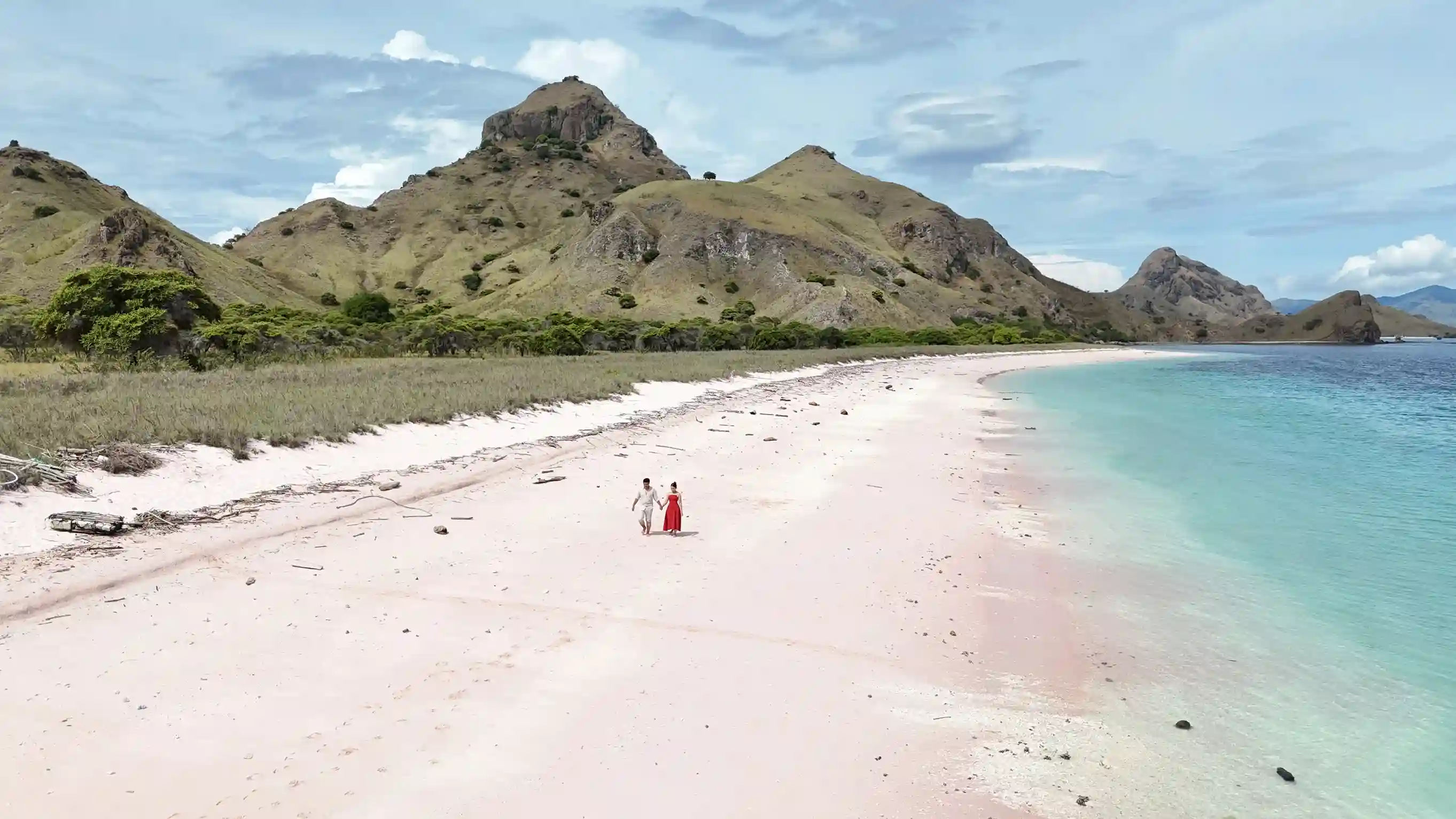
| Fewest people at Padar | March, November | Shoulder-of-the-shoulder — decent conditions, thin crowds |
| Photography | April, September, October | Clear air, green-tinged hills early in the dry season, calm water for reflections |
Practical timing notes
Boats wake guests at 04:30 for a reason: by 08:00 the ridge is hot, hazy and crowded whatever month you visit.
Peak-season charters sell out first, and the good boats go earliest.
Despite sitting inside the wet monsoon. Expect high prices and rough water in the same week.
Under PP No. 36/2024 it is IDR 250,000 per foreign visitor per visit year-round; Indonesian visitors pay IDR 50,000 on weekdays and IDR 75,000 at weekends and on public holidays.
Once you have a month, pick a boat: the Lamborajo fleet comparison covers all three vessels with rates, and the small group versus big boat cost table compares vessel classes honestly. Everything else is in the FAQ, and the town guide covers the day before you sail.
Frequently asked questions
What is the best month to visit Labuan Bajo?
May, June, September and October give the best balance: calmest seas, dry weather, 15–30 m visibility and prices below the July–August peak. April and November are close behind with even fewer people at Padar.
Is Labuan Bajo worth visiting in the rainy season?
Yes if mantas are your priority — December to March is peak aggregation season at Karang Makassar and Manta Alley. No if you are prone to seasickness or travelling on fixed dates, because cancellations rise sharply.
How warm is the water in Komodo?
Northern and central sites sit at 27–29 °C from November to April and 26–28 °C from May to October. Southern Komodo drops to 21–25 °C during the June-to-September upwelling, so a 5 mm wetsuit is sensible there.
When is manta season in Komodo?
Reef mantas are present all year at Karang Makassar, but December to March is peak, when plankton-rich water draws the largest aggregations. Good days in that window have produced reported sightings of 20 to 50-plus animals.
Which months are busiest at Padar Island?
July and August, by a wide margin. Even then the ridge is manageable if you climb at first light. March and November are the quietest months with usable weather.
Do boat prices change with the season?
Yes. July and August plus Christmas and New Year are peak; April to June and September to November are shoulder; January to March is lowest. Ask for the current figure — the published charter card is a baseline, not a year-round guarantee.
How far ahead should I book?
For July and August, three to five months. For shoulder months, four to eight weeks is usually enough. In January and February you can often book a fortnight out, weather permitting.
What happens if my trip is cancelled for weather?
Reputable operators reschedule or refund when the captain calls off a departure on safety grounds. Get that policy in writing before you pay a deposit, particularly for December-to-March dates.
Send your window and your priority — mantas, comfort or price — and we will tell you which weeks actually work.
Sea state, visibility, temperature and manta patterns are typical seasonal ranges compiled from operator and dive-industry sources; they are not forecasts. Park fees follow PP No. 36/2024. Verified 1 August 2026.