
 Lamborajo Editorial Desk
 On this page
The Sape Strait — the water gap between Sumbawa and the Komodo islands — is the one leg of a Lombok–Komodo voyage where sea state genuinely matters: flat and forgettable through the dry-season months, short and confused when wind works against its strong tidal currents, roughest in the December–February west monsoon. Crossed at the right time of day in the right season, most guests barely register it; crossed badly, it is the hour everyone remembers.
Last updated: August 17, 2026
What makes this strait different
Two things meet in the Sape gap. First, tide: enormous volumes of water exchange between the Flores Sea and the Indian Ocean side through a relatively narrow passage, producing strong, predictable tidal streams. Second, wind: in the west-monsoon months the northwesterlies blow across those streams, and wind-against-current is the recipe for the short, steep chop that makes boats uncomfortable out of proportion to the actual wave height. The same physics that build this chop are what feed Komodo’s famous marine life — the currents are the point.
Season by season, honestly
- April to November (dry season). The strait at its best: long calm spells, modest afternoon breeze, crossings that read as a few hours of open water and a nap. This is when the Lombok–Komodo route runs at full rhythm.
- December to February (west monsoon). Winds can run 20–25 knots for days; some operators pause the long route entirely and the harbour master holds departures on the worst days. Crossings still happen in weather windows — but this is the season to build a buffer day into the plan and let the captain use it.
- March and the shoulder edges. Transition weather: mostly settling, with leftover swell early in the month. By late March the strait is usually back to its cooperative self — the month-by-month picture is tabulated on the sea and crowd table.
How long the crossing takes
Boat speed decides. At the 7–10 knot cruising speeds typical of this class, the open-water leg between the Sumbawa side and the first Komodo-side shelter runs on the order of four to seven hours depending on route, tide timing and where the boat last anchored. Captains time departures so the strait is crossed with the tide rather than against it, and in the calm months often run it overnight so guests wake up already inside the park’s lee.
What crews do about it
- Time the tide. Riding the stream instead of punching it changes both comfort and duration. This is the single largest lever, and it is invisible to guests.
- Choose the shelter line. Routes hug Sumbawa’s coast and stage from the eastern anchorages — Gili Banta being the classic — so the truly open stretch is as short as possible.
- Re-sequence without drama. If the afternoon looks poor, the crossing moves to dawn and an island stop swaps places with it. A reshuffled itinerary is the system working.
If you are prone to seasickness
Take the tablet before the leg, not during; sit low and midships with eyes on the horizon; skip the heavy lunch beforehand — the galley times meals around crossings for exactly this reason. And book with the season: a January traveller who gets seasick has chosen the hardest version of an avoidable problem. Travellers connecting from the Gilis can compare crossing exposure on the Gili Trawangan to Komodo options page, since routings differ in how much open water they front-load.
Quick answers
Is the Sape Strait dangerous?
For a crewed, licensed vessel run to its weather windows — no. Uncomfortable and dangerous are different words. The incidents that make news in this region overwhelmingly involve overloaded fast boats running schedules into weather, which is precisely what a charter captain with a flexible itinerary does not do.
Will we cross in the dark?
Often, in the calm months, by design — night crossings are typically the smoothest hours and spend the distance while guests sleep. Crews run proper watches; the practice is standard across the Labuan Bajo liveaboard network.
Can we skip the strait entirely?
Yes: fly to Labuan Bajo and do Komodo without the passage. The multi-day route exists for travellers who want the voyage itself; the fly-in option exists for everyone else. The desk on WhatsApp will tell you honestly which fits your dates and stomach.
The full crossing itinerary, stopovers and departure dates for this route are published on the operator’s Lombok to Komodo boat trip page.
Send your dates and group size — the reservations desk replies with live availability and the current rate.
Keep reading
 Moyo and Satonda: The Stopovers That Make the Lombok to Komodo Route
Destinations & Wildlife
Moyo and Satonda: The Stopovers That Make the Lombok to Komodo Route
Destinations & Wildlife
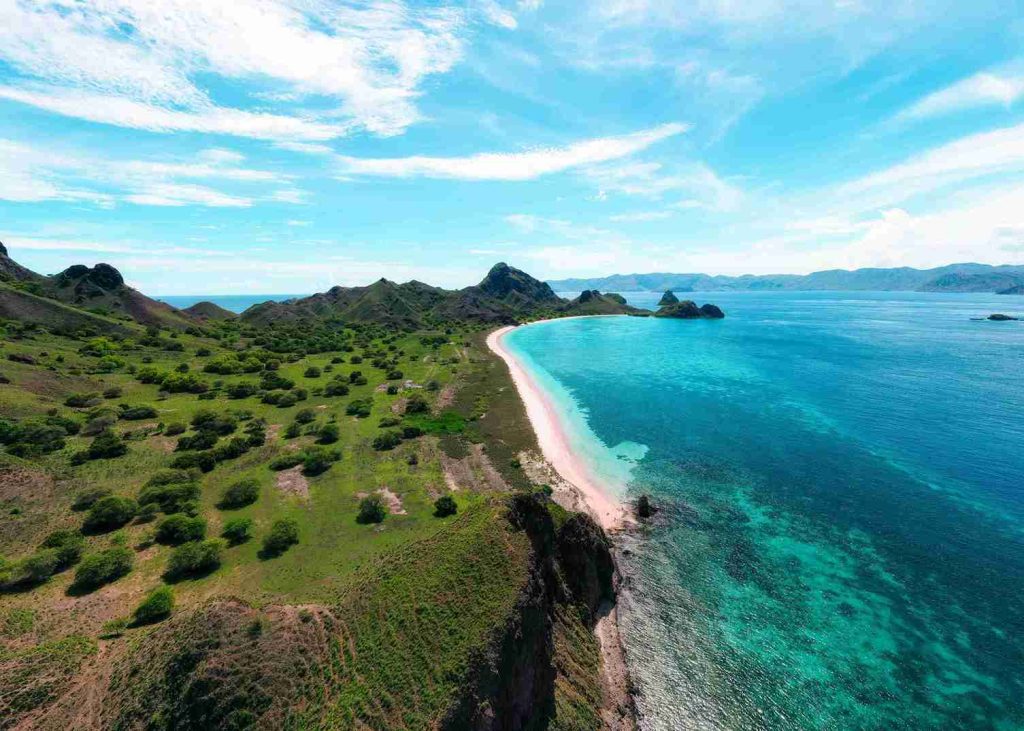
 What Is Komodo National Park, and Where Exactly Is It?
Destinations & Wildlife
What Is Komodo National Park, and Where Exactly Is It?
Destinations & Wildlife
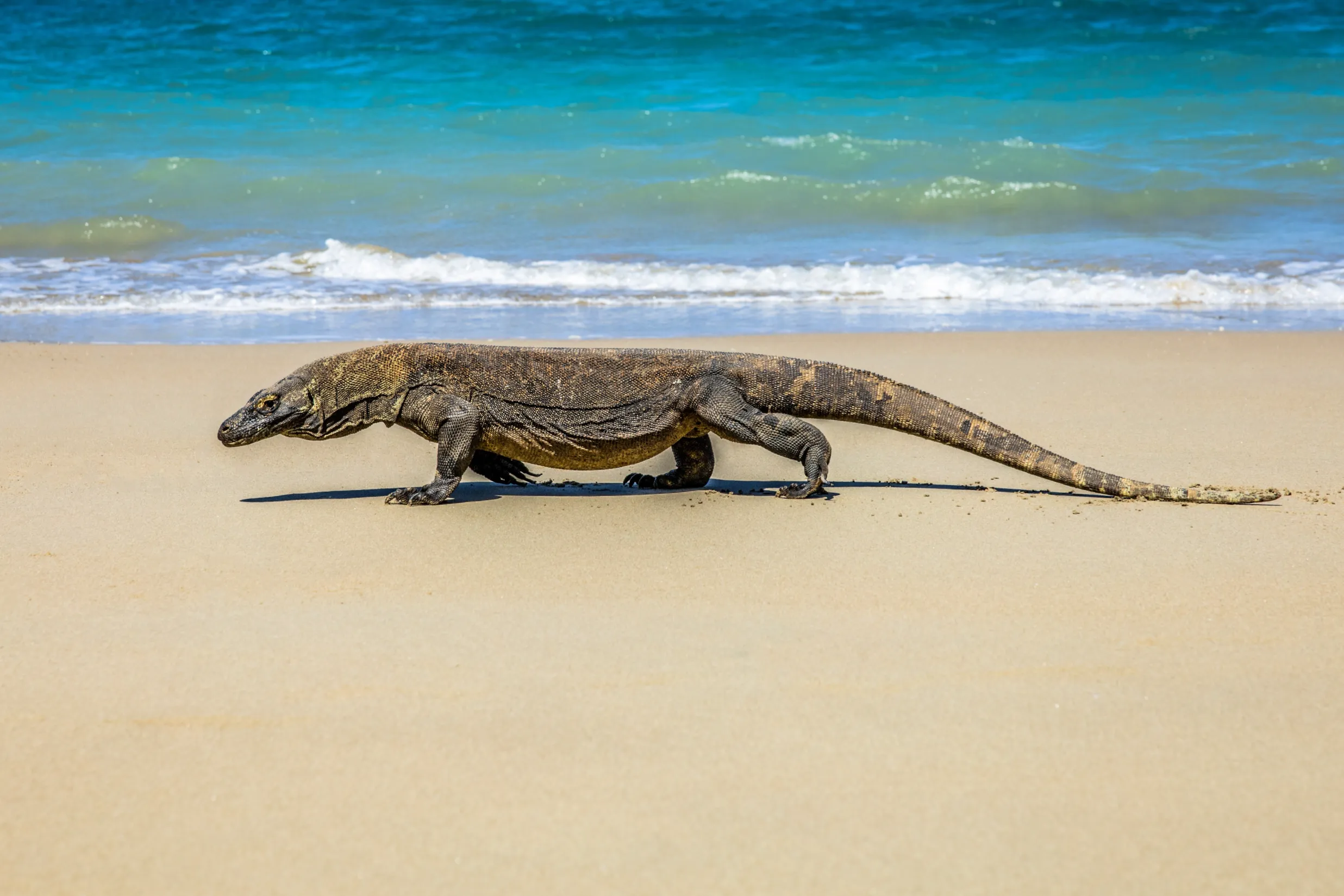
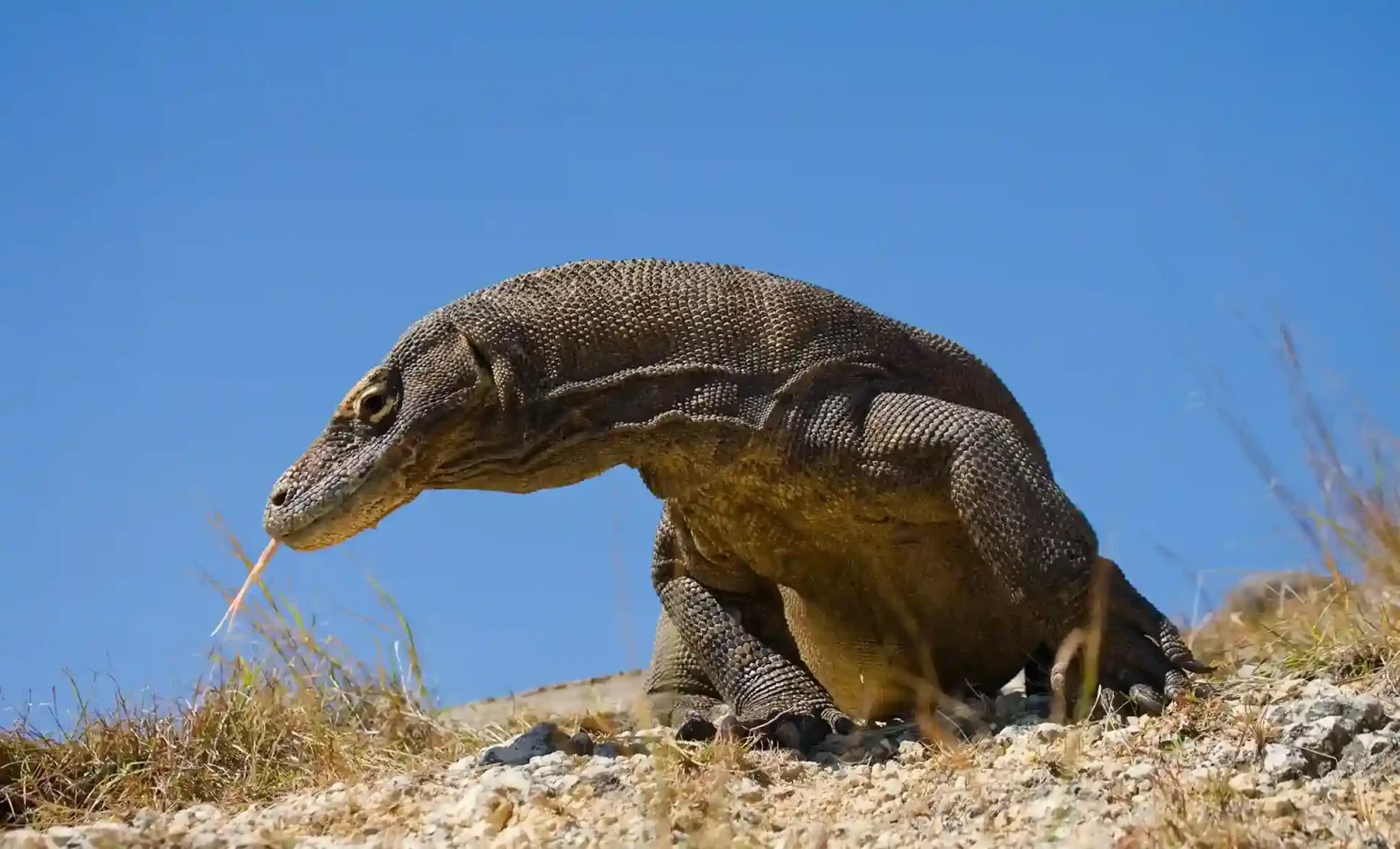 Komodo Island or Rinca: Where Do You Actually See the Dragons?
Destinations & Wildlife
Komodo Island or Rinca: Where Do You Actually See the Dragons?
Destinations & Wildlife
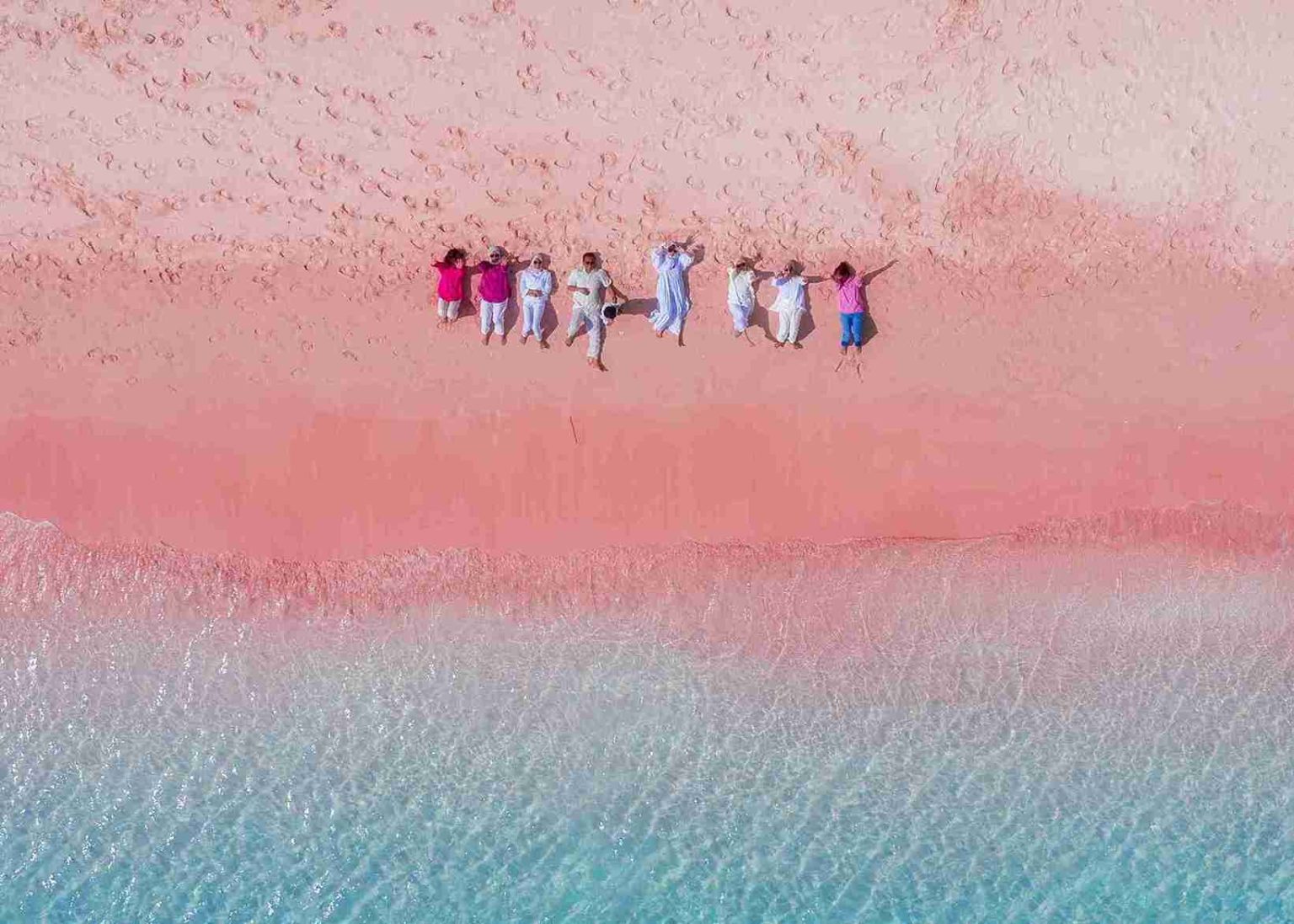 Is Pink Beach in Komodo Really Pink, and When Does It Look Best?
Destinations & Wildlife
Is Pink Beach in Komodo Really Pink, and When Does It Look Best?
Destinations & Wildlife