
 Lamborajo Editorial Desk
 On this page
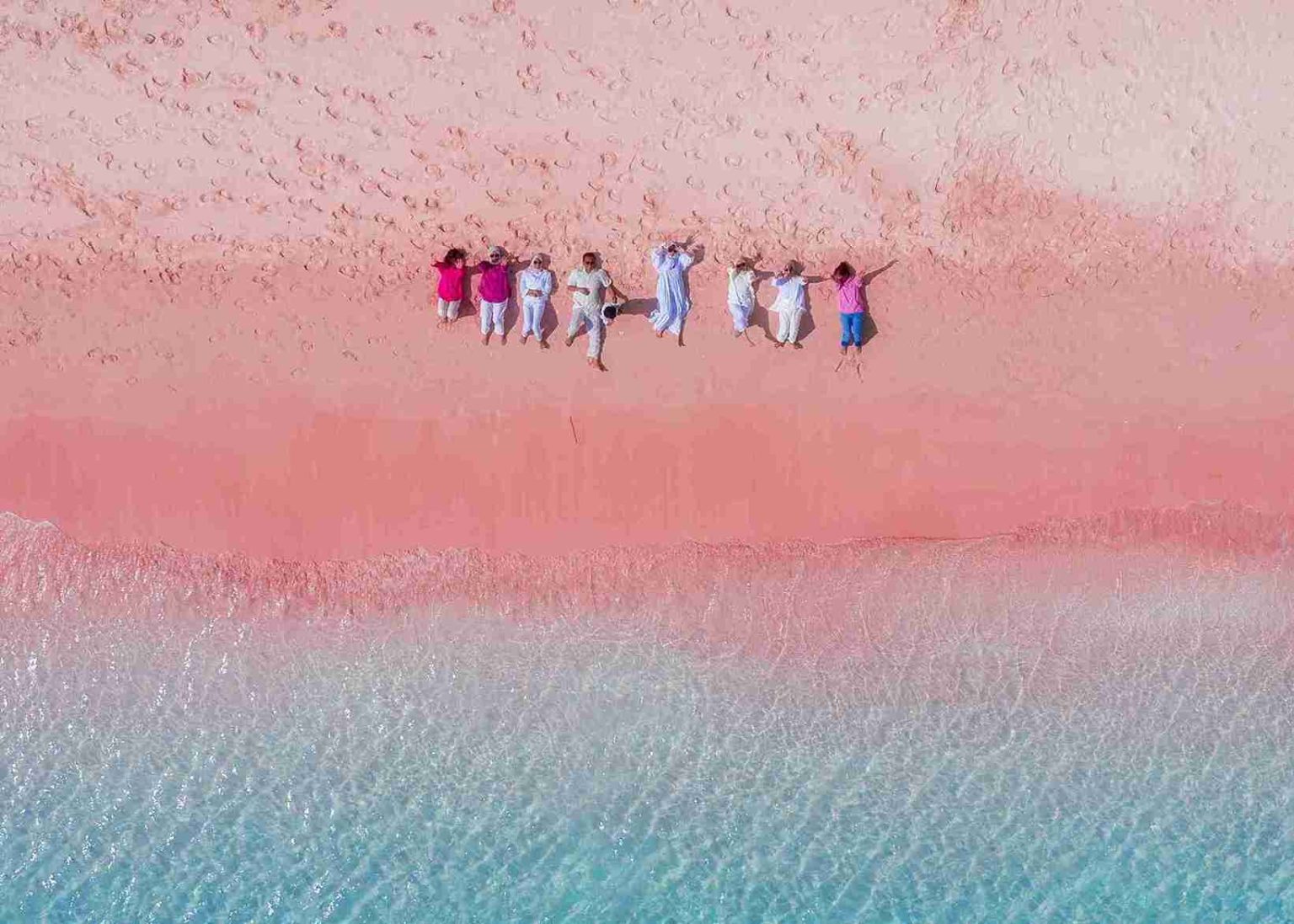
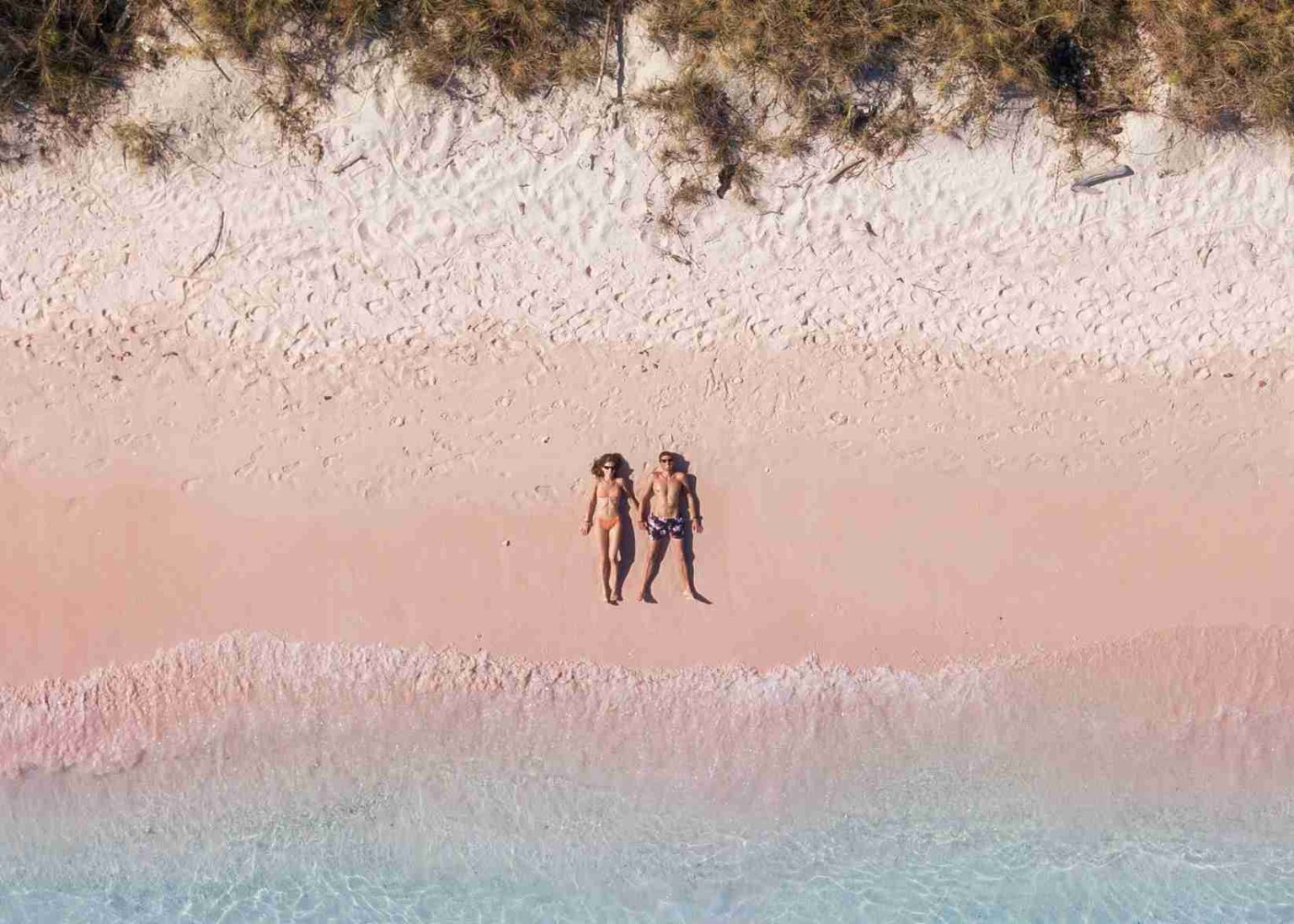
Yes, genuinely — but the colour is subtle, not neon. Pink Beach on Komodo Island gets its tint from fragments of red organ-pipe coral mixed into white sand. It reads strongest at the waterline, in the first hours after sunrise and again in late afternoon, and it looks disappointingly pale in flat midday light or after heavy rain.
Pink Beach is one of the most photographed places in Indonesia and one of the most argued about. Half the reviews call it magical and half call it oversold, and the difference between those two experiences is almost entirely a matter of what hour the boat arrived. It is worth understanding the mechanism before you judge it.
Is Pink Beach in Komodo really pink, and when does it look best?
The sand is a mixture. The white component is the usual reef-derived carbonate. The pink component is broken red coral — principally organ-pipe coral, whose skeleton is a deep brick red — ground down by wave action and distributed through the beach. Where waves concentrate the lighter fragments, at and just above the waterline, the ratio rises and the colour is obvious. Twenty metres up the beach, in dry sand, the same mix looks cream.
| Condition | Colour reads | Why |
|---|---|---|
| Early morning, 06:30–08:30, wet sand at the waterline | Strongest | Low sun, wet grains, few footprints, sorted fragments |
| Late afternoon, from about 15:30 | Strong | Warm low light; boats have mostly moved on |
| Midday, dry sand, overhead sun | Weak | Flat light bleaches the contrast; this is when most day trips arrive |
| Overcast or immediately after rain | Weak to moderate | No directional light; runoff can dull the beach |
| Dry season, calm sea (Apr–Jun, Sep–Nov) | Good, and the water is clearest | Best all-round conditions for the stop |
| West monsoon (Dec–Mar), swell running | Variable; the stop is sometimes dropped | Exposure and surge make the anchorage uncomfortable |
The practical lesson is straightforward: a boat that sleeps in the park can be at Pink Beach in good light. A boat that leaves Labuan Bajo in the morning arrives at the worst possible hour. That is one of several reasons the classic route puts Pink Beach on day two, after the Padar sunrise, rather than treating it as a mid-route photo stop.
Which Pink Beach are we talking about?
There is more than one. The name is used for the main beach on the east coast of Komodo Island, which is the one on every itinerary, and also loosely for a couple of smaller pink-tinted beaches elsewhere in the park, including on Padar. All share the same coral-fragment mechanism. Worldwide there are only a handful of beaches with this colouring, which is a large part of why this one draws the crowd it does.
The snorkelling is the better half of the stop
People come for the sand and leave talking about the water. The reef begins close in, in five to twenty metres, with light to moderate current and a shallow coral garden that suits every level of swimmer. Expect anthias in clouds over the hard coral, damselfish, occasional turtles, and, if you drift a little further out along the drop, larger reef fish.
It is one of the friendliest sites in the park — no negative entry, no reef hook, no certification requirements. If your group has non-swimmers or nervous snorkellers, this is where they will find their confidence, which is why guides often use it as the warm-up before the Karang Makassar manta drift later the same day. Where the stop sits in the day is set out on our 3D2N itinerary and departure times page.
How Pink Beach fits the route
| Stage | Typical timing | Preceding leg | Time on site |
|---|---|---|---|
| Padar sunrise hike | 05:00–07:00 | Overnight run from Kalong | ~1.5–2 hours |
| Pink Beach | ~08:00–10:00 | ~1–1.5 hours from Padar | 1–2 hours, swim and snorkel |
| Komodo or Rinca dragon trek | Late morning | ~0.5–1 hour | ~1–1.5 hours with a ranger |
| Taka Makassar / Manta Point | Early afternoon, tide-dependent | ~0.5–1 hour | Order swaps with the tide |
Arriving between eight and ten in the morning is the sweet spot: light still low enough to show colour, water clear, and the fast boats out of Labuan Bajo not yet on site. Full leg timings for the route are in our Komodo sailing time table.
Photographing it without disappointment
Shoot at the waterline, not from the treeline. Get low — a phone held at ankle height with wet sand filling the bottom third of the frame produces the picture people expect; the same phone at chest height produces a beige beach. Include something white for contrast, whether that is surf, a hull or a shirt. Avoid heavy saturation sliders: every over-processed Pink Beach photograph online is precisely why half of arriving visitors think they have been misled.
Rules and reality
Pink Beach sits inside Komodo National Park, so your park entrance under PP No. 36/2024 — IDR 250,000 for foreign visitors per visit — already covers it. Taking sand is prohibited, and it matters more here than at an ordinary beach: the pink fraction is finite, slow to replace, and the reason anybody comes. There are no facilities of any kind. Whatever you land with comes back to the boat with you, and shade is limited to whatever the tree line offers, so a rash guard beats sunscreen for a long snorkel. Fee details are set out in our park entrance fee guide.
Is Pink Beach in Komodo really pink?
What time of day is best to visit Pink Beach?
Can you swim and snorkel at Pink Beach?
Is there an entrance fee for Pink Beach?
Can I take pink sand home?
Are there toilets or food at Pink Beach?
Want Pink Beach in good light? Ask Komodo Luxury to sequence your day-two stops around the light and the tide — WhatsApp +62 811 3823 875 or sales@komodoluxury.com.
Timings are the standard operating pattern and move with weather, tide and group size. Park entrance figures follow PP No. 36/2024; ranger and regional retribution charges are set separately. Further questions are answered in our Labuan Bajo FAQ hub. See also: Komodo Island or Rinca for seeing dragons.
Send your dates and group size — the reservations desk replies with live availability and the current rate.
Keep reading
 Moyo and Satonda: The Stopovers That Make the Lombok to Komodo Route
Destinations & Wildlife
Moyo and Satonda: The Stopovers That Make the Lombok to Komodo Route
Destinations & Wildlife
 How Rough Is the Sape Strait Crossing on a Lombok to Komodo Trip?
Destinations & Wildlife
How Rough Is the Sape Strait Crossing on a Lombok to Komodo Trip?
Destinations & Wildlife
 What Is Komodo National Park, and Where Exactly Is It?
Destinations & Wildlife
What Is Komodo National Park, and Where Exactly Is It?
Destinations & Wildlife
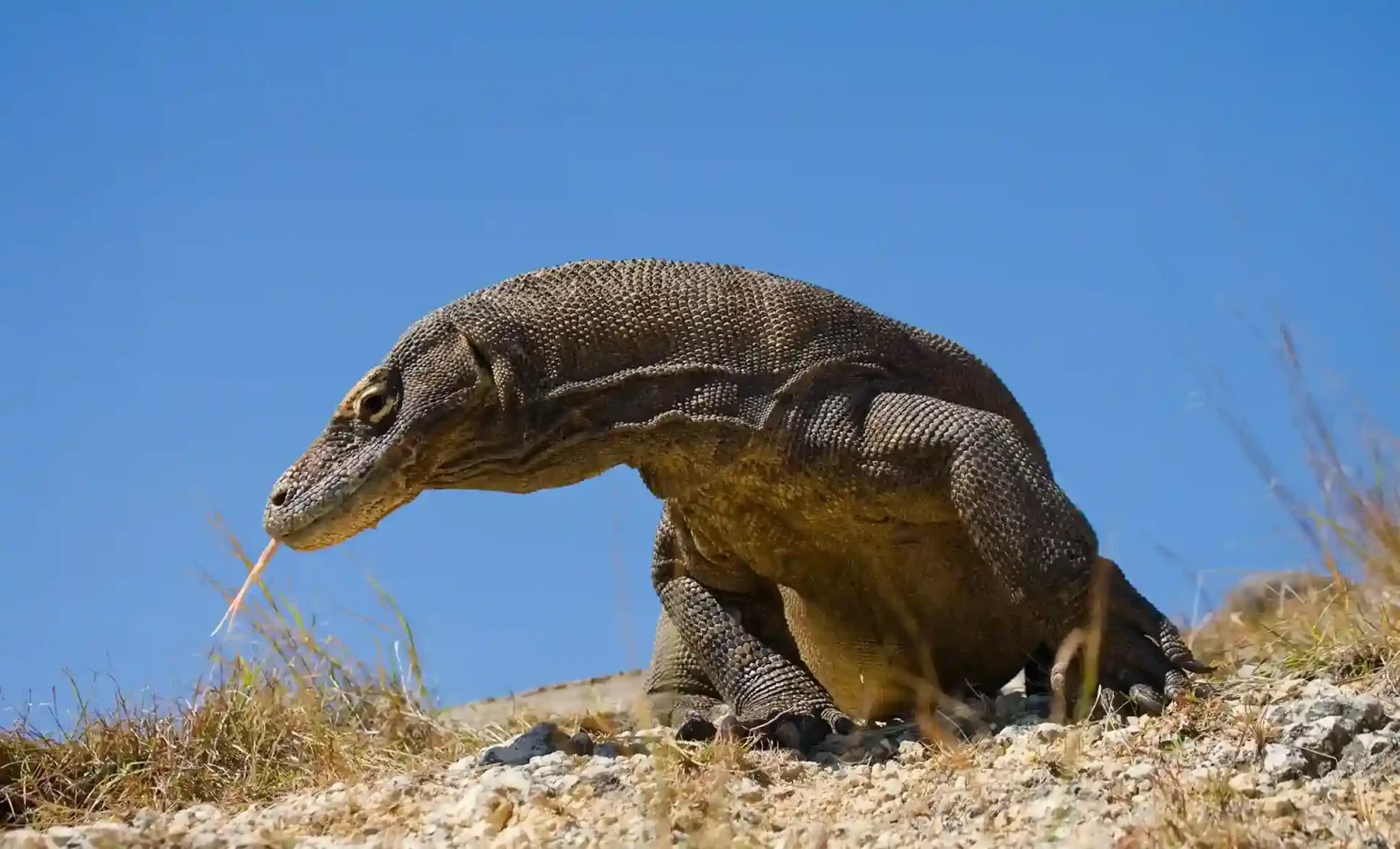 Komodo Island or Rinca: Where Do You Actually See the Dragons?
Destinations & Wildlife
Komodo Island or Rinca: Where Do You Actually See the Dragons?
Destinations & Wildlife